western wear guide
Western Wear Guide: A Comprehensive Overview
Dive into the world of Western fashion! This guide explores boots‚ hats‚ shirts‚ jeans‚ and accessories‚ reflecting regional styles and occupational roots․
What is Western Wear?
Western wear is a distinctive style of clothing deeply rooted in the history and traditions of the American West․ Initially functional attire for cowboys‚ ranchers‚ and those living a rugged outdoor lifestyle‚ it has evolved into a globally recognized fashion aesthetic․ Characterized by durable materials like leather and denim‚ it prioritizes both practicality and a unique visual appeal․
Core elements include Western boots with their iconic heel and pointed toe‚ comfortable yet stylish Western shirts‚ and durable jeans designed for work and wear․ Hats‚ belts with prominent buckles‚ and bandanas complete the look‚ adding personality and flair․ Today‚ Western wear blends functionality with fashion‚ appealing to diverse tastes and lifestyles․
The History of Western Fashion
The origins of Western wear trace back to the 19th-century American West‚ born from the practical needs of cowboys and settlers․ Spanish vaqueros heavily influenced early styles‚ introducing elements like chaps and specific saddle designs․ As cattle ranching expanded‚ durable clothing became essential – denim jeans‚ leather boots‚ and wide-brimmed hats offered protection and functionality․
Hollywood played a pivotal role in popularizing Western fashion in the 20th century‚ romanticizing the cowboy image․ Stars like John Wayne and Barbara Stanwyck showcased the style on screen‚ inspiring widespread adoption․ Post-war‚ Western wear transitioned from workwear to leisurewear‚ becoming a symbol of American individualism and ruggedness‚ continually evolving with modern trends․
Core Components of a Western Outfit
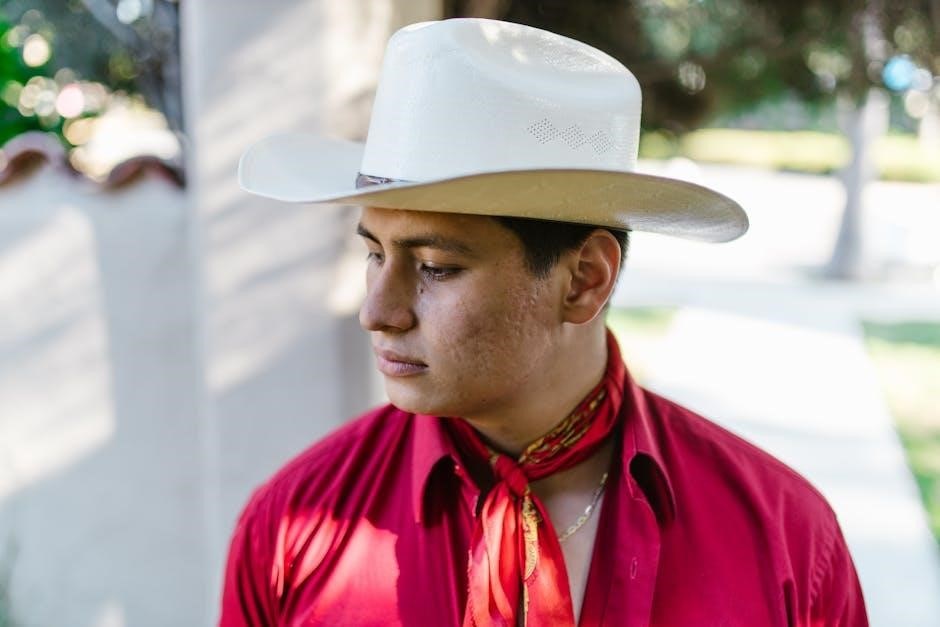
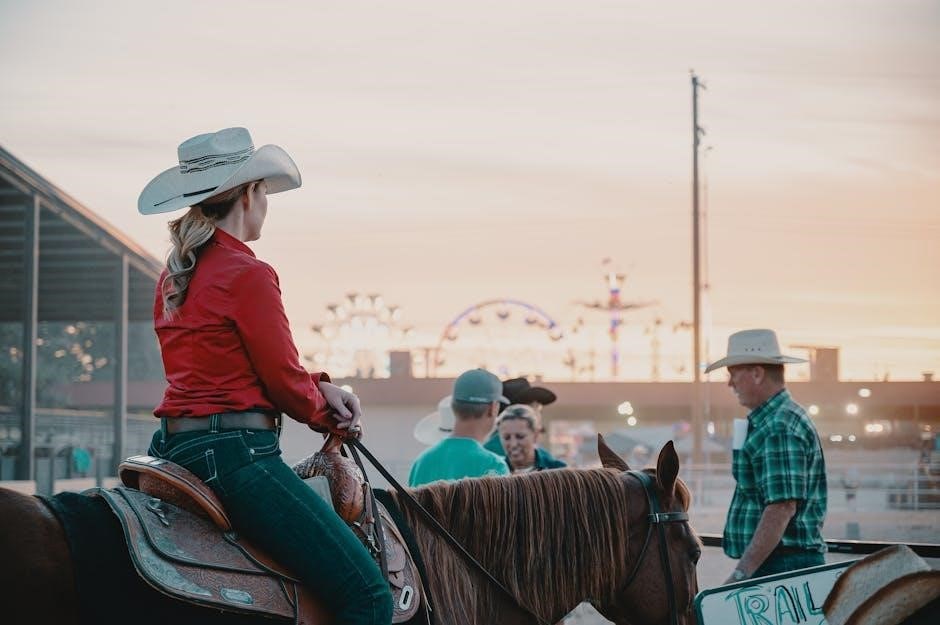
A classic Western outfit centers around several key pieces․ Durable denim jeans‚ traditionally bootcut‚ form the foundation․ Leather boots‚ with their distinctive heels and pointed or square toes‚ are essential․ A Western shirt – denim‚ flannel‚ or a dressier style – adds character․ A cowboy hat‚ crafted from felt or straw‚ completes the iconic silhouette․
Accessories elevate the look: a Western belt with a prominent buckle‚ a bandana for a touch of flair‚ and potentially leather chaps for authenticity․ These elements combine practicality and style‚ reflecting the heritage of the American West and creating a timeless aesthetic․
Western Shirts: Styles and Fabrics
Western shirts come in diverse styles‚ each suited for different occasions․ Denim Western shirts offer rugged durability‚ perfect for work or casual wear․ Flannel Western shirts provide warmth and comfort‚ ideal for cooler weather and a relaxed vibe․ For more formal settings‚ dress Western shirts feature finer fabrics and intricate detailing․
Common fabrics include cotton‚ denim‚ and flannel․ Details like yokes‚ snap closures‚ and embroidered designs are hallmarks of the style․ The fit can range from classic to slim‚ allowing for personal preference and a comfortable‚ authentic Western look․
Denim Western Shirts
Denim Western shirts represent a cornerstone of the genre‚ embodying both practicality and style․ Constructed from durable denim‚ these shirts withstand rigorous wear‚ making them ideal for ranch work or everyday casual outfits․ Classic features include a button-down front‚ pointed yokes‚ and often‚ pearl snap closures․
Available in various washes – from light to dark – denim Western shirts pair seamlessly with bootcut jeans and Western boots․ They offer a timeless‚ rugged aesthetic‚ reflecting the hardworking spirit of the American West․ A versatile wardrobe staple‚ they effortlessly blend function and fashion․
Flannel Western Shirts
Flannel Western shirts offer a comfortable and relaxed take on classic Western style․ Typically crafted from soft‚ brushed cotton flannel‚ these shirts provide warmth and a casual aesthetic․ They often feature similar details to denim versions – pointed yokes‚ button-down fronts‚ and snap closures – but with a more laid-back vibe․
Available in a wide array of colors and patterns‚ including plaids and checks‚ flannel Western shirts are perfect for layering or wearing on their own․ They pair well with jeans‚ boots‚ and a Western hat‚ creating a comfortable yet stylish ensemble suitable for various occasions․
Dress Western Shirts
Dress Western shirts represent a more refined approach to the genre‚ often constructed from finer fabrics like broadcloth or poplin․ These shirts typically showcase intricate embroidery‚ decorative stitching‚ or pearl snap closures‚ elevating their appearance beyond everyday wear․ They maintain classic Western details – pointed yokes and fitted bodies – but with a focus on sophistication․
Ideal for events requiring a polished look‚ dress Western shirts pair beautifully with dark wash jeans or dress pants‚ complemented by leather boots and a coordinating belt․ They offer a versatile option for those seeking to incorporate Western flair into more formal settings․

Western Boots: A Detailed Look
Western boots are a cornerstone of the style‚ surprisingly diverse in their construction and reflecting regional and occupational origins․ Generally‚ they share key characteristics: leather construction (partially or wholly)‚ a distinctly raised heel‚ and a notably pointed toe․ However‚ variations abound!
Understanding heel heights‚ leather types‚ and toe shapes is crucial․ Boot heels range from practical walking heights to dramatic roper heels․ Leather choices impact durability and appearance‚ while toe shapes – pointed‚ square‚ or round – influence the overall aesthetic․ Careful consideration of these elements ensures a perfect fit and style․
Boot Heel Heights and Styles
Western boot heels aren’t one-size-fits-all; they vary significantly based on intended use and aesthetic preference․ Lower‚ “walking” heels prioritize comfort for everyday wear‚ offering stability and practicality․ Moderate heels strike a balance‚ suitable for both riding and casual outings․
However‚ more dramatic heel heights‚ like the “roper” heel‚ are designed for specific activities – roping cattle‚ for example – and contribute to a classic Western silhouette․ The angle and height of the heel impact posture and gait‚ influencing both function and fashion․ Choosing the right heel is key!
Leather Types and Care
Western boots predominantly feature leather‚ but the type matters greatly․ Cowhide is common – durable and affordable․ Calfskin offers a softer‚ more refined appearance․ Exotic leathers like alligator‚ ostrich‚ and snake add luxury and distinct texture․
Proper care extends a boot’s lifespan․ Regular cleaning with leather soap removes dirt and grime․ Conditioning keeps the leather supple‚ preventing cracking․ Avoid prolonged exposure to water and direct sunlight․ Invest in quality leather protectors and brushes for optimal maintenance‚ ensuring years of wear!
Toe Shapes: Pointed‚ Square‚ and Round
Western boot toe shapes significantly impact style and function․ Pointed toes‚ traditionally favored by riders‚ offer a sleek‚ classic look․ Square toes provide more room and a bolder statement‚ gaining popularity in modern styles․ Round toes offer a comfortable‚ versatile option suitable for everyday wear․
The choice often reflects personal preference and intended use․ Pointed toes pair well with dressier outfits‚ while square toes complement a more rugged aesthetic․ Consider comfort and how the toe shape interacts with your jeans’ cut for the perfect fit!
Western Hats: Shapes and Materials
Western hats are iconic symbols of the style‚ crafted from diverse materials and featuring distinct shapes․ Felt hats‚ traditionally made from beaver or wool‚ offer durability and a classic look‚ ideal for cooler weather․ Straw hats provide breathability for warmer climates‚ often seen in rodeo settings․
Key crown shapes include the Cattleman (a rounded crown)‚ the Gambler (a flat-topped crown)‚ and the Stockman (a higher‚ creased crown)․ Hat bands add personalization‚ ranging from simple leather to elaborate beaded designs․
Felt Hats vs․ Straw Hats
Felt hats‚ traditionally constructed from beaver or wool‚ represent a durable and classic choice for Western wear‚ providing warmth and structure․ They’re well-suited for cooler temperatures and more formal occasions․ Straw hats‚ conversely‚ prioritize breathability‚ making them ideal for warmer climates and outdoor activities like rodeos․
The material dictates care; felt requires careful shaping and protection from moisture‚ while straw is more forgiving; Choosing between the two depends on climate‚ occasion‚ and personal preference‚ both offering authentic Western style․
Crown Shapes: Cattleman‚ Gambler‚ and Stockman
Cattleman crowns‚ the most common shape‚ feature a gently rounded top and a medium-height pitch‚ offering a versatile look for everyday wear․ Gambler hats boast a lower crown with a distinct‚ flat top and a narrow brim‚ exuding a more sophisticated‚ vintage aesthetic․
Stockman crowns‚ designed for functionality‚ have a higher pitch and a more pronounced crease‚ providing better sun protection for working cowboys․ Each crown shape reflects different eras and lifestyles within Western culture‚ influencing the overall silhouette․
Hat Bands and Customization
Hat bands are essential for personalizing a Western hat‚ ranging from simple leather strips to intricately woven designs with silver conchos or beads․ They add a touch of individuality and can signify affiliations or personal style․ Customization extends beyond bands‚ including shaping the brim – a “pencil roll” is classic – and adding feather plumes․
Hat creases‚ unique indentations in the crown‚ also offer customization․ Skilled hatters can create distinctive creases reflecting regional preferences or individual tastes․ These details transform a standard hat into a statement piece‚ showcasing the wearer’s personality․
Jeans and Pants for Western Style
Jeans are foundational to Western wear‚ with silhouettes evolving over time․ Bootcut jeans remain a classic‚ designed to accommodate boot shafts comfortably‚ creating a balanced profile․ Straight-leg jeans offer a more modern‚ streamlined look‚ suitable for various Western-inspired outfits․ Beyond denim‚ leather chaps historically served a functional purpose for cowboys‚ protecting legs while riding․
Today‚ chaps are often a fashion statement‚ adding ruggedness and authenticity․ The choice of jeans or pants depends on the desired aesthetic – traditional‚ contemporary‚ or a blend of both․
Bootcut Jeans: The Classic Choice
Bootcut jeans are arguably the most iconic denim style within Western fashion‚ designed with a slight flare from the knee down․ This subtle widening perfectly balances the proportions when worn with Western boots‚ preventing the boot shaft from appearing constricted․ Historically‚ this design was practical for horseback riding‚ allowing for comfortable movement and boot accommodation․
Today‚ bootcut jeans remain a staple‚ offering a timeless and versatile look․ They pair seamlessly with various Western shirts‚ belts‚ and hats‚ creating a complete and authentic ensemble․
Straight Leg Jeans: A Modern Take
Straight leg jeans offer a contemporary twist on Western wear‚ providing a sleeker silhouette compared to the traditional bootcut․ While maintaining a classic denim aesthetic‚ their consistent width from hip to ankle appeals to those seeking a more streamlined and modern look․ They still work well with Western boots‚ though the fit is closer and less forgiving․
This style bridges the gap between Western heritage and current fashion trends‚ making it a versatile choice for everyday wear․ Pair them with a Western shirt and boots for a subtle nod to the style․
Leather Chaps: Function and Fashion
Leather chaps originated as protective gear for cowboys‚ shielding legs from brush and saddle wear while riding․ Today‚ they’ve evolved into a significant fashion statement within Western wear‚ representing both practicality and rugged style․ Traditionally crafted from durable leather‚ chaps come in various cuts and fringe lengths‚ showcasing individual flair․
Beyond protection‚ chaps add a distinctive layer to any Western outfit․ They pair exceptionally well with jeans‚ boots‚ and a Western shirt‚ completing a truly authentic look․ Modern interpretations offer lighter weights and diverse designs․
Accessories to Complete the Look
Accessories are crucial for elevating a Western outfit from simple to stunning․ A classic Western belt‚ often featuring a large‚ ornate buckle‚ cinches the waist and adds a focal point․ Bandanas‚ versatile and colorful‚ can be worn around the neck‚ head‚ or tied to a bag for a pop of personality․
Bolero jackets and vests provide layering options and enhance the overall silhouette․ These pieces often showcase intricate embroidery or fringe detailing․ Don’t underestimate the power of jewelry – turquoise and silver pieces complement the Western aesthetic beautifully․
Western Belts and Buckles
Western belts are far more than functional; they’re a statement piece․ Typically crafted from leather‚ they range from simple‚ everyday designs to elaborate‚ show-stopping creations․ The buckle is the star‚ often featuring silver‚ brass‚ or even gold detailing․
Intricate engravings of horses‚ longhorns‚ or floral patterns are common․ Larger buckles signify a bolder style‚ while smaller‚ more understated buckles offer a classic look․ A well-chosen belt and buckle can instantly elevate any Western outfit‚ adding personality and completing the ensemble․
Bandanas and Neckwear
Bandanas are quintessential Western accessories‚ offering both style and practicality․ Originally used by cowboys to shield their faces from dust and sun‚ they’ve become a fashion staple․ Classic paisley prints are iconic‚ but solid colors and other patterns are also popular․
They can be worn around the neck‚ tied to a bag‚ or even as a head covering․ Beyond bandanas‚ neckwear like bolo ties add a unique touch․ These feature a decorative cord with a metal clasp‚ offering a sophisticated Western aesthetic․
Bolero Jackets and Vests
Bolero jackets and vests are layering pieces that elevate a Western outfit‚ adding both warmth and visual interest․ Boleros‚ typically waist-length‚ often feature decorative embroidery or fringe‚ complementing dresses or shirts․ They provide a touch of elegance while maintaining a Western vibe․
Vests‚ traditionally made of denim or leather‚ are incredibly versatile․ They can be worn over a shirt for a rugged look or under a jacket for added insulation․ Detailed stitching and unique back panels are common features‚ showcasing craftsmanship and individual style․
Western Wear for Women: Specific Styles
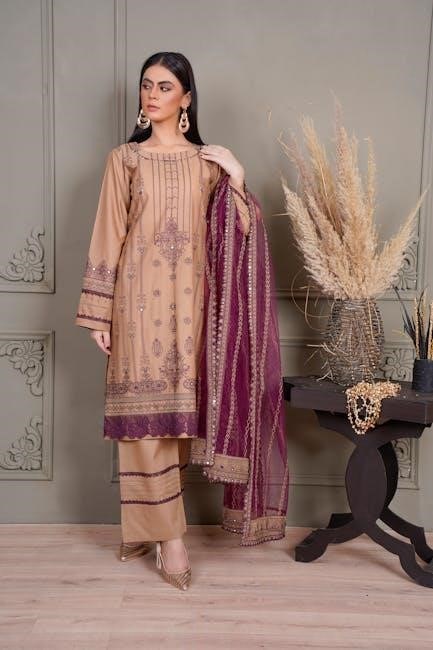
Western fashion for women beautifully blends practicality with feminine flair․ Dresses and skirts incorporating Western details – like denim‚ embroidery‚ or fringe – offer a stylish alternative to traditional jeans․ These pieces often feature flattering silhouettes and vibrant patterns․
Women’s Western boots extend beyond classic styles‚ encompassing heels for a dressier look․ Boot heights vary‚ allowing for versatility with different outfits․ Subtle embellishments and unique leather finishes add personality․ Feminine touches‚ such as floral bandanas or delicate jewelry‚ complete the look‚ balancing ruggedness with grace․
Dresses and Skirts with Western Flair
Western-inspired dresses and skirts offer a feminine twist on traditional styles․ Denim dresses‚ often featuring button-down fronts and fitted waists‚ embody a classic Western aesthetic․ Flowing skirts adorned with embroidery‚ fringe‚ or Southwestern patterns create a bohemian vibe․ Look for silhouettes that flatter the figure‚ such as A-line or wrap dresses․
Pairing these pieces with Western boots elevates the look‚ while delicate jewelry and a bandana add subtle touches․ Consider dresses in earthy tones like terracotta‚ olive green‚ or deep burgundy for an authentic feel․ Skirts can be styled with tucked-in blouses or fitted tops․
Women’s Western Boots and Heels
Women’s Western boots have evolved beyond practicality‚ becoming a fashion statement․ Classic styles include ankle boots‚ mid-calf boots‚ and knee-high variations‚ all featuring pointed or square toes and a distinct heel․ Leather remains the primary material‚ with options ranging from smooth finishes to intricate tooling․
Western heels add sophistication to any outfit․ Block heels provide stability and comfort‚ while higher‚ more sculpted heels offer a dressier look․ Boot shaft details like embroidery‚ cutouts‚ or contrasting stitching enhance visual appeal․ Pairing these boots with dresses‚ skirts‚ or jeans creates a versatile Western ensemble․
Feminine Touches in Western Fashion
Western wear for women beautifully blends ruggedness with delicate femininity; Floral embroidery on denim jackets or shirts softens the traditionally masculine aesthetic․ Lace detailing on blouses or dresses introduces a romantic element‚ contrasting with tougher leather accessories․
Subtle embellishments like pearl snaps‚ delicate conchos‚ and pastel color palettes add a feminine flair․ Flowing skirts paired with fitted vests create a balanced silhouette․ Accessories such as turquoise jewelry and patterned bandanas complete the look‚ showcasing a modern‚ yet classic‚ Western style․
Modern Western Trends
Contemporary fashion increasingly incorporates Western elements‚ moving beyond traditional ranch wear․ Designers are reimagining classic silhouettes with modern fabrics and cuts‚ creating a fresh aesthetic․ We see Western-inspired pieces on runways and in street style‚ demonstrating its broad appeal․
Celebrity influence plays a significant role‚ with stars adopting Western looks and boosting their popularity․ A growing focus on sustainable and ethical brands within Western wear is also emerging‚ appealing to conscious consumers․ This trend prioritizes responsible sourcing and production practices‚ blending style with values․
Western Wear in Contemporary Fashion
Modern interpretations of Western wear are appearing across high fashion and everyday styles․ Designers are incorporating Western details – like fringe‚ embroidery‚ and unique stitching – into contemporary garments․ This isn’t about full cowboy outfits‚ but rather subtle nods to the aesthetic․
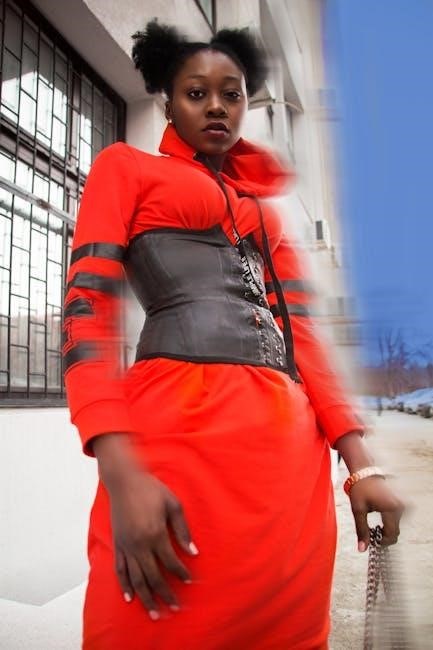
Denim remains central‚ but is paired with unexpected pieces like silk blouses or tailored jackets․ Western shirts are worn open over dresses or tucked into high-waisted trousers․ The influence extends to accessories‚ with bolo ties and statement belts gaining traction‚ proving Western style’s versatility․
Celebrity Influence on Western Style
Celebrities significantly amplify Western fashion trends‚ introducing the aesthetic to broader audiences․ Stars are frequently spotted sporting Western-inspired looks on red carpets and in street style‚ driving demand for key pieces like cowboy boots and hats․
Influential figures often collaborate with designers on Western-themed collections‚ further solidifying the style’s presence in mainstream fashion․ Their choices dictate what becomes popular – from specific boot cuts to the resurgence of fringe detailing․ This visibility normalizes and elevates Western wear‚ making it accessible and desirable․
Sustainable and Ethical Western Brands
Conscious consumers are increasingly seeking sustainable and ethical options within Western wear․ Brands prioritizing responsible sourcing‚ fair labor practices‚ and eco-friendly materials are gaining prominence․
Look for companies utilizing recycled denim‚ vegetable-tanned leather‚ and organic cotton; Transparency in the supply chain is crucial‚ ensuring animal welfare and minimizing environmental impact․ Supporting these brands promotes a more responsible fashion industry‚ allowing enthusiasts to enjoy Western style guilt-free․ Investing in quality‚ ethically made pieces ensures longevity and reduces fast fashion waste․