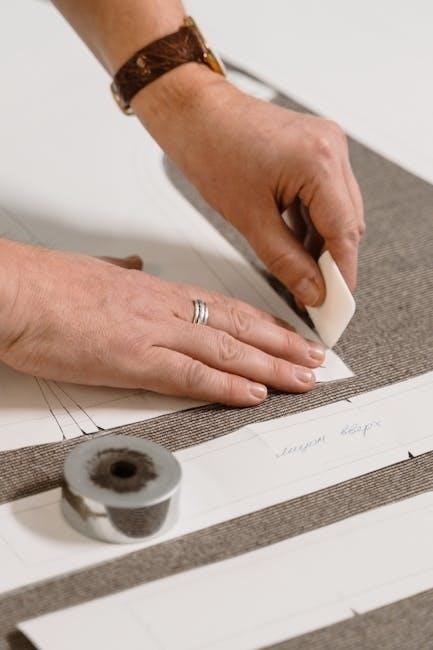
men’s shirt measurements guide
Understanding Men’s Shirt Measurements
Navigating men’s shirt sizing can be complex, but understanding key measurements ensures a comfortable and stylish fit․
Size charts and accurate self-measurement are crucial for success!
Mens shirt sizing often feels like a puzzle, differing significantly between brands and even styles․ Unlike standard clothing sizes (S, M, L), shirts primarily rely on neck and sleeve measurements for a precise fit․ This system acknowledges the vast range of body shapes and proportions among men․
Historically, shirt sizing originated with bespoke tailoring, where garments were made to individual measurements․ Modern ready-to-wear shirts attempt to replicate this customization through standardized size ranges․ However, variations exist due to differing manufacturing practices and target fits – slim, regular, or classic․
Successfully navigating shirt sizing requires understanding these nuances and knowing how to accurately measure yourself․ A little effort upfront saves frustration and ensures you consistently find shirts that look and feel great․
Why Accurate Measurements Matter
Inaccurate shirt sizing leads to discomfort, a poor appearance, and ultimately, wasted money․ A shirt that’s too tight restricts movement and can appear unflattering, while one that’s too loose looks sloppy and unprofessional․ Relying on assumed sizes or outdated measurements is a common pitfall․
Precise measurements guarantee a better fit, boosting confidence and presenting a polished image․ Online shopping, in particular, demands accurate self-assessment, as trying on isn’t possible․ Knowing your neck and sleeve lengths eliminates guesswork and reduces return rates․
Furthermore, understanding your body’s proportions allows you to choose the right shirt fit – slim, regular, or classic – enhancing your overall style and comfort․ Taking the time to measure correctly is a small investment with significant returns․
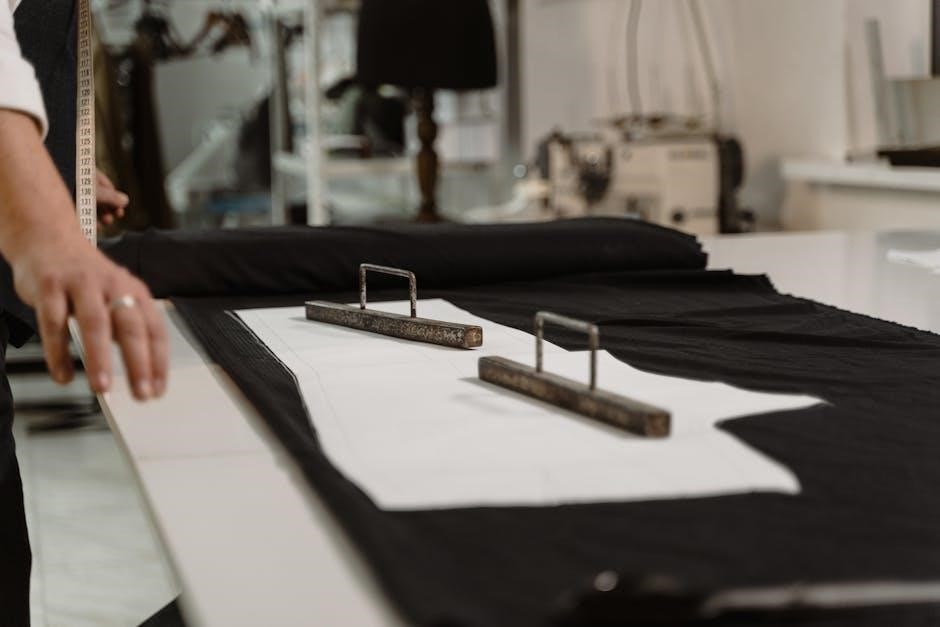
Key Measurements for Men’s Shirts
Essential measurements include neck, chest, sleeve length, and shoulder width; these determine proper fit and comfort․ Accurate data is vital for selecting the right size!
Neck Measurement
Determining your neck size is the foundational step in finding a well-fitting shirt․ Use a flexible measuring tape to measure around the base of your neck, ensuring the tape is snug but not constricting․ Keep the tape level and don’t pull it too tight – you want a comfortable measurement, not one that indicates how tight you want the collar to be․
Round the measurement to the nearest half-inch․ Most men’s shirts are sized based on neck measurements, typically ranging from 14 inches to 18․5 inches․ This measurement directly correlates to the collar size of the shirt․ A correctly sized collar should allow you to comfortably fit two fingers between your neck and the collar when buttoned;
Incorrect neck measurements lead to discomfort and a poor appearance, so take the time to measure accurately!
Chest Measurement
To accurately measure your chest, stand naturally and have a friend assist you for the best results․ Wrap a measuring tape around the fullest part of your chest, keeping the tape level and under your armpits․ Ensure the tape is snug but doesn’t compress your chest; breathe normally during the measurement․
Record the measurement in inches․ This measurement is crucial for determining the overall fit of the shirt, particularly across the shoulders and back․ A shirt that’s too tight in the chest will restrict movement and appear unflattering, while one that’s too loose will lack definition․
Compare your chest measurement to the retailer’s size chart to find the appropriate shirt size․
Sleeve Length Measurement
Determining accurate sleeve length is vital for a polished appearance․ Start by slightly bending your elbow․ Have a friend measure from the center back of your neck, over your shoulder, and down your arm to your wrist bone․ Keep the measuring tape straight, but not overly tight․
Record this measurement in inches․ Sleeve length significantly impacts the overall proportion of the shirt․ Sleeves that are too short appear awkward, while sleeves that are too long can look sloppy and interfere with tasks․
Consult the retailer’s size chart, as sleeve lengths are often offered in increments of one inch․
Shoulder Measurement
Accurately measuring your shoulder width is crucial for a well-fitted shirt, impacting how the garment drapes and feels․ To begin, stand naturally with your arms relaxed at your sides․ Have a helper measure across your back, from the outer edge of one shoulder to the outer edge of the other․
Ensure the measuring tape runs in a straight line, following the natural curve of your shoulders․ This measurement determines whether the shirt’s yoke will sit comfortably and correctly․
Compare your shoulder measurement to the retailer’s size chart to find the best fit․ A proper shoulder fit prevents pulling or bunching․

Standard US Men’s Shirt Sizes
US shirt sizes typically range from neck sizes of 14 to 18․5 inches, paired with varying sleeve lengths from 30 to 37 inches for optimal fit․
Neck Sizes (14″ ⎯ 18․5″)
Determining your neck size is the foundational step in finding a well-fitting men’s shirt․ Use a flexible measuring tape to measure around the base of your neck, ensuring the tape is snug but not constricting․
Standard US men’s shirt neck sizes generally fall within the 14 to 18․5-inch range․ A 14-inch neck size is relatively small, while 18․5 inches indicates a larger neck․ Increments typically increase in half-inch intervals (14․5, 15, 15․5, and so on)․
It’s crucial to measure accurately, as the neck size dictates the overall shirt fit․ A shirt with an incorrect neck size will feel uncomfortable and appear ill-fitting․ Remember to stand straight and relax your neck muscles during measurement for the most precise result․
Sleeve Lengths (30″ ー 37″)
Accurately measuring sleeve length is vital for a polished shirt fit․ Start by measuring from the center back of your neck, over the shoulder, and down to your wrist bone․ Keep your arm slightly bent during the measurement process․
Standard US men’s shirt sleeve lengths typically range from 30 to 37 inches․ A 30-inch sleeve is shorter, suitable for those with shorter arms, while 37 inches caters to longer arms․ Sleeve lengths usually increase in one-inch increments․
Proper sleeve length ensures the cuff hits your wrist at the correct point, showcasing a tasteful amount of shirt cuff beyond your jacket sleeve․ An incorrect sleeve length can make a shirt appear disproportionate and affect overall style․
International Size Conversions
Shirt sizes vary globally; US sizes differ from UK, European, and Japanese standards․ Conversion charts are essential for accurate shopping across regions and brands․
US to UK Shirt Size Conversion
Converting between US and UK shirt sizes requires careful attention, as they don’t align directly․ Generally, a US size 14-inch neck translates to a UK size 14․5-inch neck, and so on․ However, it’s not a simple addition․ A US 15-inch neck typically corresponds to a UK 15․5-inch neck, while a US 15․5-inch becomes a UK 16-inch․
Sleeve lengths also differ․ A US 32-inch sleeve might be a UK 32-inch, but discrepancies can occur․ It’s always best to consult a specific retailer’s size chart, as variations exist․ Remember that UK sizing tends to be slightly smaller, so consider sizing up if you’re between sizes․ Accurate chest measurements are also vital for a proper fit, regardless of the neck and sleeve conversion․
US to European (EU) Shirt Size Conversion
Translating US shirt sizes to European (EU) sizes presents another layer of complexity, as EU sizing often uses centimeters instead of inches․ A US 14․5-inch neck generally equates to a EU size 37cm, while a US 15-inch neck corresponds to approximately 38cm in EU measurements․ However, these are approximations, and variations exist between brands․
EU sizing can also be represented numerically․ For example, a US 16-inch neck might be a EU size 41․ Sleeve lengths also require conversion; a US 33-inch sleeve is roughly 84cm in EU sizing․ Always prioritize checking the specific retailer’s size chart for the most accurate conversion, as EU standards aren’t universally consistent․
US to Japanese Shirt Size Conversion
Converting US shirt sizes to Japanese sizes is arguably the most challenging, as Japanese sizing typically runs smaller․ A US 15-inch neck often translates to a Japanese size 38 or even 39, depending on the brand’s cut and intended fit․ Japanese sizing frequently focuses on overall garment measurements rather than relying solely on neck and sleeve lengths․
Therefore, carefully reviewing a specific brand’s size chart is essential․ Sleeve lengths also differ; a US 34-inch sleeve might equate to a Japanese size 42 or 43; Due to these significant differences, it’s often recommended to size up when purchasing Japanese shirts, especially if you prefer a more relaxed fit․
Types of Shirt Fits & How They Affect Measurements
Shirt fits – slim, regular, and classic – significantly impact how measurements translate to comfort and style․ Each cut alters the required dimensions for a perfect fit․
Slim Fit Shirts
Slim fit shirts are designed to closely follow the body’s natural shape, offering a modern and tailored silhouette․ These shirts typically have a narrower cut through the chest, waist, and sleeves compared to regular or classic fits․
When measuring for a slim fit, accuracy is paramount․ A precise chest measurement is vital, as these shirts have less room for excess fabric․ Sleeve length should be considered carefully, as a slim fit often features a shorter, more fitted sleeve․ Expect a closer fit around the neck, too․
Generally, individuals opting for slim fit may need to size up, especially if they have a broader build․ Prioritize comfort alongside style; ensure you can move freely without feeling constricted․ Always consult the specific retailer’s size chart, as slim fit definitions can vary․
Regular Fit Shirts
Regular fit shirts represent a balanced approach to shirt sizing, offering comfort and a classic appearance․ These shirts provide a straightforward cut, with enough room through the chest, waist, and sleeves for ease of movement without appearing overly loose․
When measuring for a regular fit, focus on obtaining accurate neck and chest measurements․ Sleeve length is also important, but regular fit shirts generally offer more leeway․ This fit is often a good starting point for those unsure of their size or preferring a less restrictive feel․
Regular fit shirts are versatile and suit a wide range of body types․ They don’t hug the body as closely as slim fit options, making them ideal for everyday wear․ Always check the brand’s specific size guide for the most accurate fit․
Classic Fit Shirts
Classic fit shirts embody a traditional silhouette, prioritizing comfort and a relaxed appearance․ Characterized by a generous cut throughout the body, these shirts offer ample room in the chest, waist, and shoulders, ensuring unrestricted movement․ They are often the most forgiving fit for various body types․
Accurate neck and chest measurements are vital when selecting a classic fit shirt․ Sleeve length is also crucial, but a slightly longer sleeve can be easily adjusted․ This style is ideal for individuals who prefer a looser, more comfortable feel and don’t want a tightly fitted garment․
Classic fit shirts are a timeless choice, suitable for both formal and casual occasions․ Always consult the specific brand’s size chart for the best results, as variations can occur․

Taking Accurate Measurements: A Step-by-Step Guide
Precise measurements are key to finding the perfect shirt fit! Use a flexible tape measure and, ideally, have a friend assist for accuracy and comfort․
Tools You’ll Need
Embarking on accurate shirt measurements requires minimal tools, but their quality impacts results․ A flexible fabric tape measure is absolutely essential; avoid metal ones, as they don’t conform to body contours effectively․ Ensure the tape measure is in inches or centimeters, depending on your preferred sizing system․ A full-length mirror is incredibly helpful for visual confirmation during the process, allowing you to assess posture and ensure the tape is level․
Furthermore, a pen and paper (or a digital note-taking app) are needed to record your measurements immediately․ Having a friend assist can significantly improve accuracy, especially for back measurements․ Finally, wearing a well-fitting, thin shirt during measurement provides a more realistic base for obtaining precise figures, mimicking how a new shirt will fit․
Getting Help with Measurements
While self-measurement is possible, enlisting assistance dramatically improves accuracy, particularly for areas difficult to reach – like the back and shoulder․ A friend or family member can ensure the tape measure remains level and snug, avoiding common errors․ They can also verify your posture, as standing straight is crucial for correct readings․
Specifically, assistance is invaluable for shoulder measurements, determining the point where shoulder seams should sit․ Having someone else take chest and sleeve measurements also minimizes distortion․ Don’t hesitate to ask for help; a second pair of hands and eyes can save you from purchasing ill-fitting shirts and the hassle of returns!
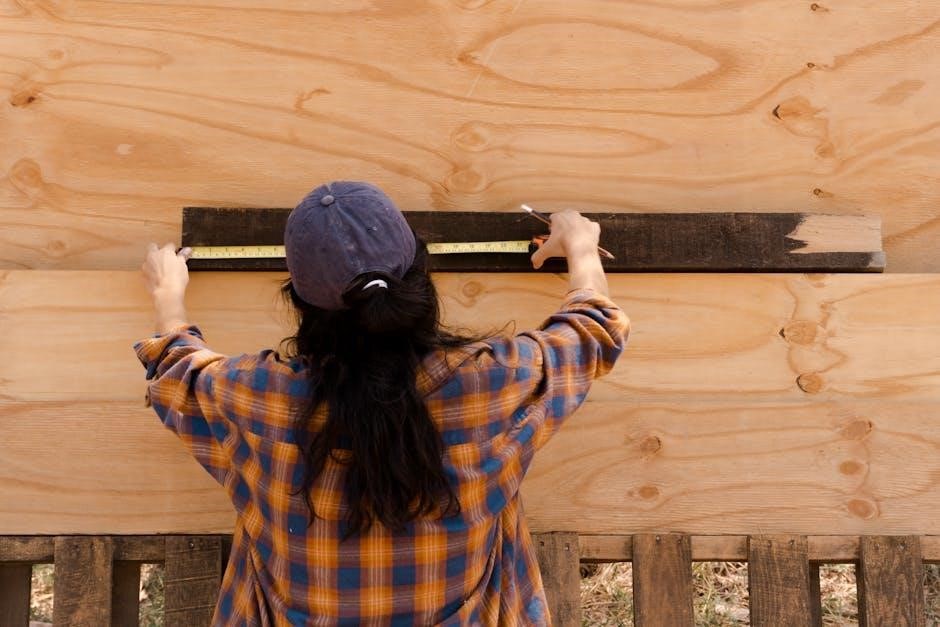
Decoding Shirt Size Labels
Shirt labels utilize size codes (S, M, L) and neck/sleeve combinations; understanding these is key to finding your fit․ Careful interpretation prevents errors!
Understanding Size Codes (S, M, L, XL, etc․)
Standard size codes like S, M, L, XL, and beyond offer a general indication of fit, but they aren’t universally consistent across brands․ These codes primarily relate to chest and shoulder measurements, offering a broad guideline rather than a precise fit guarantee․ A size ‘L’ in one store might feel different in another․
It’s crucial to remember that these are approximations․ Always prioritize neck and sleeve measurements for dress shirts, as these are more definitive․ For casual shirts, consider your overall build and preferred fit – slim, regular, or classic – alongside the size code․ Referencing specific retailer size charts (like ASOS or Madewell) is highly recommended to correlate these codes with actual measurements for a more accurate selection․
Interpreting Neck and Sleeve Combinations
Mens shirts are frequently sized by a combination of neck and sleeve length – for example, “15․5 32/33”․ The first number represents your neck circumference in inches, while the second indicates sleeve length, often given as a range to accommodate varying arm lengths․ Understanding this pairing is vital for a proper fit․
A correctly sized shirt will have a neck that allows comfortable buttoning without tightness, and sleeves that end near your wrist bone․ Sleeve length ranges account for individual arm proportions․ Don’t assume a single size fits all; prioritize both measurements․ Consulting size charts and, if possible, trying on shirts remains the best approach to ensure optimal comfort and style․

Size Charts by Retailer
Retailers like ASOS and Madewell offer specific size charts to guide you․ These charts detail measurements for their unique shirt fits and styles, ensuring accuracy․
ASOS Men’s Shirt Size Chart
ASOS provides a comprehensive guide to help customers determine their perfect shirt size․ They emphasize taking accurate neck and sleeve measurements as the foundation for finding the right fit․ Their size chart clearly outlines neck sizes ranging from 14 inches to 18․5 inches, and sleeve lengths spanning from 30 to 37 inches․
ASOS encourages users to measure themselves while wearing a fitted shirt, ensuring a precise reading․ They also offer detailed instructions on how to correctly measure both neck circumference and sleeve length, including starting at the center back of the neck and measuring over the shoulder to the wrist bone․
Furthermore, ASOS acknowledges that sizing can vary slightly between different shirt styles (slim, regular, etc․), advising customers to consult the specific size guide for each product․ This dedication to detailed sizing information aims to minimize returns and maximize customer satisfaction․
Madewell Men’s Shirt Size Chart
Madewell focuses on providing a straightforward sizing experience for men’s shirts, emphasizing a comfortable and modern fit․ Their size chart details measurements for tees and shirts, assisting customers in finding their ideal match․ Madewell’s guide includes conversions to help shoppers understand how their size translates across different regions․
The brand encourages customers to review their size chart before making a purchase, noting that sizes can sometimes vary․ They provide clear instructions on how to measure accurately, ensuring a better fit․ Madewell’s commitment to quality extends to their sizing information, aiming for customer confidence․
Madewell’s resources help customers navigate their range of shirts, from classic button-downs to casual tees, ensuring a satisfying shopping experience and a well-fitting wardrobe staple;

Troubleshooting Common Fit Issues
Addressing fit problems like tightness in the chest or looseness in the shoulders requires understanding your measurements and shirt cuts for optimal comfort․
Shirt Too Tight in the Chest
If a shirt feels constricting across the chest, it likely indicates your chest measurement exceeds the shirt’s designed size․ This is a common issue, especially with slim-fit styles․ First, re-measure your chest to confirm accuracy – ensure the tape measure is level and snug, but not tight․
Consider sizing up, particularly if you have a broader build․ Alternatively, explore shirts with a more generous cut, such as regular or classic fits, which offer more room․ Check the fabric composition; some materials have less stretch․ Finally, remember that different brands adhere to slightly varying size standards, so consulting specific retailer size charts (like ASOS or Madewell) is always recommended․
Shirt Too Loose in the Shoulders
A shirt that gaps at the shoulders suggests the shoulder seams extend beyond your natural shoulder width․ This often means the shirt is too large, impacting overall fit and appearance․ Re-measure your shoulder width to verify – from shoulder point to shoulder point across the back․
Downsizing is usually the solution, but consider your chest measurement to avoid tightness․ If the chest fits well but the shoulders are loose, tailoring might be necessary for a truly refined fit․ Explore brands known for offering different body types, and always consult size charts․ Remember, a proper shoulder fit is crucial for a polished look․