
car tint guide
Car Tint Guide: A Comprehensive Overview (Updated 12/16/2025)
Window tint‚ often polyester film‚ reduces light and heat‚ enhancing privacy.
State laws vary greatly; understanding VLT is crucial for legal tinting.
Regulations are constantly changing‚ so stay informed!
What is Window Tint?
Window tint is a thin‚ multi-layered film applied directly to the interior surface of a vehicle’s windows. Typically constructed from polyester‚ this film serves a multitude of purposes beyond simply darkening the glass. Its primary function is to reduce the amount of visible light and‚ crucially‚ infrared and ultraviolet (UV) radiation that passes through the windows into the vehicle’s cabin.
The application of window tint isn’t merely cosmetic; it’s a practical modification offering significant benefits. While enhancing privacy by making it harder to see inside the car‚ it also dramatically reduces glare‚ improving driver visibility‚ especially in bright sunlight. Furthermore‚ window tint acts as a barrier against harmful UV rays‚ protecting both the vehicle’s interior from fading and cracking‚ and the occupants from potential sun damage.
Different types of tint films exist‚ ranging from standard dyed polyester films to more advanced ceramic and carbon options‚ each offering varying degrees of heat rejection and performance. Understanding these differences is key when choosing the right tint for your needs and local regulations.
The Science of Visible Light Transmission (VLT)
Visible Light Transmission (VLT) is the cornerstone of understanding window tint legality and performance. It’s expressed as a percentage‚ representing the amount of visible light allowed to pass through the tinted window. A lower percentage signifies a darker tint‚ blocking more light. For example‚ a 70% VLT tint allows 70% of visible light to penetrate‚ while a 35% tint allows only 35%.
This measurement isn’t arbitrary; it’s directly tied to state laws governing window tint darkness. Authorities use VLT meters to ensure compliance. The science behind VLT involves the film’s ability to absorb or reflect light. Different film materials – polyester‚ ceramic‚ carbon – achieve this in varying ways‚ impacting heat rejection alongside VLT.
Crucially‚ understanding VLT is vital for avoiding legal issues. A seemingly minor difference in percentage can mean the difference between a warning and a citation. Always verify your state’s specific VLT requirements before applying any window tint.
Benefits of Window Tinting
Window tinting offers a multitude of advantages beyond aesthetics. Primarily‚ it significantly reduces glare‚ enhancing driver visibility and safety‚ especially during bright sunlight. This improved clarity contributes to a more comfortable and secure driving experience. Furthermore‚ tinting dramatically reduces the amount of heat entering the vehicle‚ keeping the interior cooler – a boon in warmer climates.
Beyond comfort‚ window tint provides substantial protection against harmful ultraviolet (UV) rays. Prolonged UV exposure can damage interior surfaces like dashboards and upholstery‚ causing fading and cracking. Tinting acts as a barrier‚ preserving the vehicle’s interior.
Finally‚ tinting enhances privacy‚ shielding occupants from prying eyes. While benefits vary based on film type (polyester‚ ceramic‚ carbon)‚ the core advantages remain consistent: safety‚ comfort‚ and protection.
Privacy Enhancement with Window Tint
Window tint significantly boosts vehicle privacy‚ acting as a one-way mirror effect‚ particularly with darker shades. This obscures the view from outside‚ making it difficult to see inside the car’s interior‚ protecting personal belongings from potential theft and offering occupants a greater sense of security.
The level of privacy achieved directly correlates with the tint’s darkness – lower VLT percentages offer greater opacity. While completely blocking the view isn’t always legal or advisable (due to visibility concerns)‚ even moderate tint levels provide a substantial barrier against unwanted observation.
This enhanced privacy isn’t just about concealing valuables; it’s about personal space and peace of mind. It allows drivers and passengers to travel without feeling constantly exposed‚ contributing to a more relaxed and comfortable journey.
Heat Reduction and UV Protection
Window tint excels at reducing heat buildup inside a vehicle‚ making it significantly more comfortable‚ especially during warmer months. By rejecting a substantial portion of the sun’s infrared radiation‚ tint minimizes the “greenhouse effect‚” lessening the need for excessive air conditioning and potentially improving fuel efficiency.
Beyond heat‚ quality window tint provides crucial protection against harmful ultraviolet (UV) rays. Prolonged UV exposure can fade interior surfaces like dashboards and upholstery‚ and more importantly‚ contribute to skin damage and increase the risk of skin cancer for drivers and passengers.
Ceramic and carbon tints are particularly effective at blocking both heat and UV rays‚ offering superior performance compared to standard polyester films. Investing in these premium options provides long-term benefits for both vehicle preservation and occupant health.
Legality and Regulations: A State-by-State Breakdown
State tint laws differ significantly‚ impacting legal darkness levels and front window restrictions.
California allows 70% VLT on front windows‚ while New Jersey and New Hampshire prohibit front tint altogether.
Understanding State Tint Laws
Navigating window tint laws requires careful attention‚ as regulations are determined at the state level and can be surprisingly complex. Each state establishes specific rules regarding the permissible darkness of tint‚ often expressed as a percentage of Visible Light Transmission (VLT). Lower percentages indicate darker tints‚ blocking more light. It’s crucial to remember that these laws aren’t uniform; what’s legal in Florida might be a violation in New Jersey.
Understanding the nuances of these regulations is vital to avoid potential fines or the requirement to remove non-compliant tint. States often differentiate rules for front versus rear windows‚ and some even have specific provisions for windshield tinting. For example‚ Rhode Island permits tinting only on the top six inches of the windshield‚ ensuring driver visibility isn’t compromised. Furthermore‚ some states offer medical exemptions‚ allowing darker tints for individuals with specific health conditions. Always verify your state’s current regulations before applying any window film.
California Tint Laws
California’s window tint laws are relatively moderate‚ but adherence is crucial to avoid legal issues. The state permits tinting on the front passenger windows‚ but only up to a 70% VLT. This means the tint must allow at least 70% of visible light to pass through. Rear windows and the rear windshield have more lenient regulations‚ allowing for darker tints. However‚ even on these windows‚ excessively dark tints can still result in citations.
California law doesn’t explicitly address multi-layer tints‚ but the combined VLT must still meet the legal requirements. It’s important to note that reflective tints are also subject to scrutiny‚ and overly reflective films may be prohibited. Drivers should always check the latest regulations‚ as laws can be updated. Proper documentation‚ such as a certificate verifying the VLT percentage‚ is recommended to demonstrate compliance during vehicle inspections.
Michigan Tint Laws: Front Window Restrictions
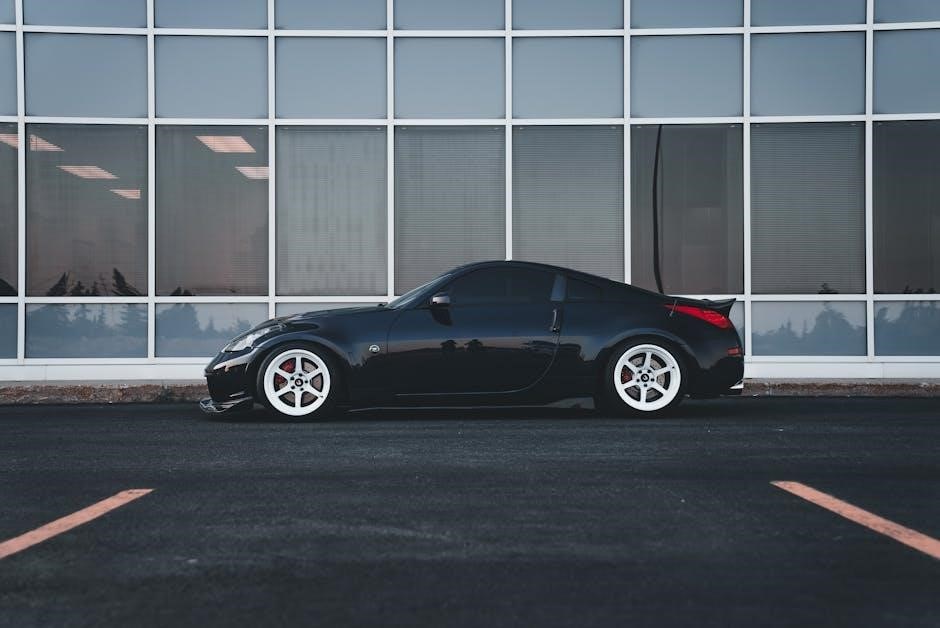
Michigan’s window tint laws specifically address front window restrictions‚ making it a key area for drivers to understand. The legal limit for front windows in Michigan is a 35% VLT‚ meaning they must allow at least 35% of visible light to pass through. This is a fairly common standard‚ but strict enforcement means exceeding this limit can lead to tickets.
Unlike some states‚ Michigan doesn’t have different rules for driver versus passenger front windows; the 35% rule applies to both. Rear windows and the rear windshield have fewer restrictions‚ allowing for darker tints. It’s vital to verify the VLT of any tint before installation to ensure compliance. Always check your state’s specific laws‚ as regulations can change. Proper documentation can be helpful if questioned by law enforcement.
New Jersey & New Hampshire: Prohibited Front Tint
New Jersey and New Hampshire stand out for their particularly strict window tint laws‚ completely prohibiting any tinting on front windows. This means no film of any darkness level is permitted on the driver and front passenger windows in either state. This regulation aims to maximize visibility for law enforcement and other drivers‚ prioritizing safety on the roadways.
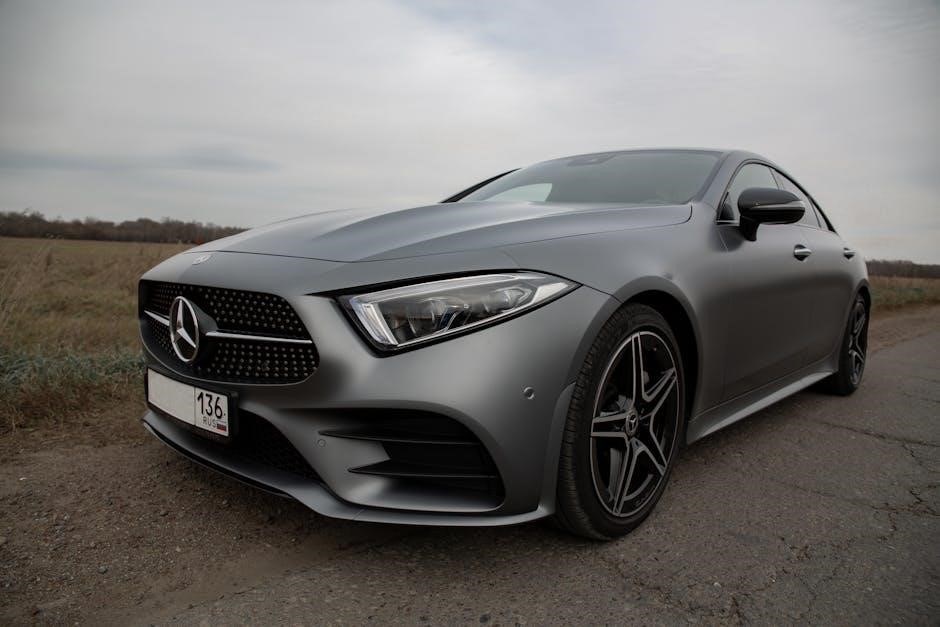
While rear windows and the rear windshield may have permissible tint levels in both states‚ the front windows remain entirely off-limits for tinting. Drivers in these states seeking privacy or heat reduction must rely on alternative solutions like specialized glass or interior shades. It’s crucial to be aware of these restrictions to avoid potential fines and legal issues. Always double-check current regulations‚ as laws can be updated.
Arizona & Florida: More Permissive Tinting
Arizona and Florida represent the more lenient end of the spectrum when it comes to window tint laws. These states generally allow for darker tint levels compared to many others‚ offering drivers greater flexibility in choosing their desired level of privacy and heat reduction. However‚ even within these states‚ specific regulations apply regarding VLT percentages for front and rear windows.
Arizona permits darker tints‚ but still requires adherence to specific VLT standards. Florida also allows relatively dark tints‚ but drivers must ensure compliance with the state’s legal limits. It’s important to note that while these states are more permissive‚ they still prioritize safety and visibility. Always verify the latest regulations before applying tint to your vehicle to avoid potential legal issues and ensure compliance.
Rhode Island Windshield Tint Regulations
Rhode Island’s window tint laws present a unique approach‚ specifically concerning windshield tinting. Unlike many states that outright prohibit tinting on the windshield‚ Rhode Island allows it – but with a significant restriction. Drivers are permitted to tint the top six inches of their windshield‚ provided it doesn’t obstruct the driver’s direct line of sight. This allows for some sun glare reduction while maintaining crucial visibility.
The remainder of the vehicle’s windows‚ including the front and rear side windows‚ are also subject to tinting regulations. It’s vital to understand these broader rules alongside the windshield exception. Always confirm current VLT requirements to ensure full compliance with Rhode Island’s specific laws. Ignoring these regulations can lead to citations and the requirement to remove the tint.
Washington State: Visibility Concerns & Legal Limits
Washington State’s window tint laws heavily emphasize driver visibility‚ reflecting concerns about safety on the roadways. A key question frequently arises: can windows be tinted so darkly that oncoming traffic cannot discern the driver’s face? The answer is a firm no. Washington law prioritizes clear visibility for both the driver and other motorists.
Specifically‚ tint darkness is regulated to ensure adequate visibility. While a precise VLT percentage isn’t explicitly stated in the provided information‚ the focus is on preventing obstruction of the driver’s features. Drivers have reported near-crash incidents due to excessively dark tint. It’s crucial to adhere to legal limits to avoid potential fines and‚ more importantly‚ to maintain safe driving conditions. Always check for the most up-to-date regulations.
Tint Darkness Levels Explained
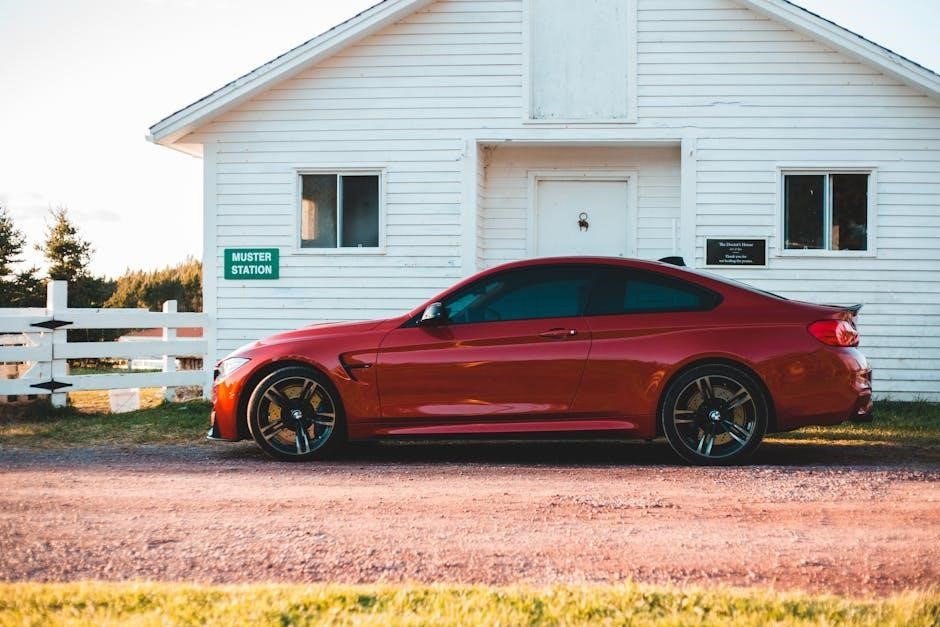
Tint percentages dictate light blocked; lower numbers mean darker tint. 70% tint allows substantial light‚ while legal limits vary by state.
Understanding these levels ensures compliance.
70% Tint: What to Expect
70% tint represents a very light window film‚ allowing a significant 70% of visible light to pass through. This level is often chosen by drivers seeking a subtle aesthetic enhancement without drastically altering the vehicle’s appearance. It’s frequently the lightest tint legally permitted on front windows in states with restrictive tint laws‚ like California‚ where front passenger windows can only be tinted up to 70%.
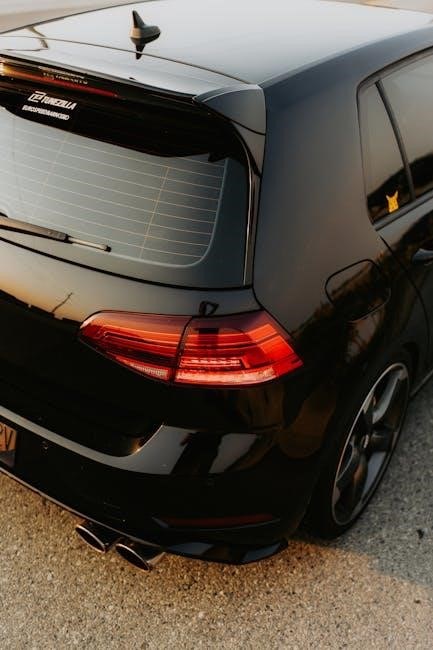
While not providing the deepest level of privacy‚ 70% tint still offers some glare reduction‚ minimizing eye strain during bright sunlight. It also provides a modest level of heat rejection‚ helping to keep the interior cooler‚ though not as effectively as darker shades. The primary benefit of 70% tint lies in its ability to block approximately 30% of UV rays‚ contributing to the protection of the vehicle’s interior from fading and cracking;
Because of its lighter shade‚ 70% tint is less likely to attract attention from law enforcement and is generally considered a safe choice for drivers concerned about adhering to state regulations. It’s a good option for those prioritizing legal compliance and a subtle improvement in comfort and appearance.
35% Tint: A Common Legal Limit
35% tint strikes a balance between aesthetics‚ privacy‚ and legal compliance‚ making it a popular choice for many vehicle owners. This level of tint allows 35% of visible light to pass through‚ providing a noticeable darkening effect without being excessively dark. It’s frequently cited as a common legal limit for front windows in several states‚ including Michigan‚ where a 35% VLT is permitted.
Compared to lighter tints‚ 35% tint offers enhanced privacy‚ making it more difficult for onlookers to see inside the vehicle. It also provides a significant reduction in glare and heat‚ improving driving comfort‚ especially in sunny climates. The increased heat rejection helps protect the vehicle’s interior from sun damage‚ preserving upholstery and dashboard materials.
However‚ it’s crucial to verify the specific tint laws in your state‚ as regulations vary. While 35% tint is legal in many areas‚ it may be too dark for front windows in others. Always check your state’s specific laws to avoid potential fines or legal issues.
Darkest Legal Tint: State Variations
Determining the “darkest legal tint” is complex‚ as regulations differ significantly from state to state. There isn’t a universal standard; what’s permissible in Arizona or Florida isn’t necessarily legal in New Jersey or New Hampshire. Some states‚ like Arizona and Florida‚ are known for being more permissive regarding window tint darkness‚ allowing darker shades than others.
Conversely‚ states like New Jersey and New Hampshire outright prohibit tinting on front windows‚ effectively setting the “darkest legal tint” at zero for those locations. California allows tinting on the front passenger windows‚ but only up to 70% VLT‚ making it relatively light compared to other states’ limits.
Generally‚ the darkest legal tint tends to fall within the 20-35% VLT range‚ but this is a broad generalization. Always consult your state’s specific laws and regulations before applying any window tint to ensure compliance and avoid potential legal repercussions. Every state has different rules.
Types of Window Tint Film
Polyester film is standard‚ while ceramic tint offers superior heat rejection. Carbon tint provides a cost-effective option‚ and dual-layer tint maximizes performance.
Polyester Film: The Standard Material
Polyester film represents the most common and widely utilized material in the realm of window tinting. It serves as the foundational layer for many tint options due to its affordability and ease of installation. This type of film effectively reduces glare and blocks a significant portion of harmful ultraviolet (UV) rays‚ contributing to both driver comfort and interior protection.
While polyester film doesn’t offer the same level of heat rejection as ceramic or carbon tints‚ it provides a noticeable improvement over untreated glass. It’s a practical choice for those seeking a basic level of tinting without a substantial investment. The durability of polyester film is generally good‚ resisting scratches and fading under normal conditions.
However‚ it’s important to note that the quality of polyester film can vary between manufacturers. Opting for a reputable brand ensures a more consistent and long-lasting application. It’s the go-to choice for many seeking a simple‚ effective‚ and budget-friendly window tint solution.
Ceramic Tint: Premium Heat Rejection
Ceramic tint stands as a premium option in the window tinting world‚ renowned for its exceptional heat-rejection capabilities. Unlike traditional polyester films‚ ceramic tints incorporate microscopic ceramic particles embedded within the film’s structure. These particles effectively block infrared radiation‚ the primary component of heat‚ resulting in a significantly cooler interior cabin temperature.
Beyond heat reduction‚ ceramic tint also offers excellent UV protection and glare reduction‚ enhancing driving comfort and safeguarding the vehicle’s interior from fading and cracking. It’s a non-metallic film‚ meaning it won’t interfere with radio signals or GPS systems.
While ceramic tint comes at a higher price point than polyester or carbon films‚ the benefits – superior heat control‚ UV protection‚ and signal clarity – often justify the investment. It’s the ideal choice for drivers in hot climates or those prioritizing maximum comfort and interior preservation.
Carbon Tint: Cost-Effective Option
Carbon tint presents a compelling balance between performance and affordability‚ making it a popular choice for vehicle owners seeking a cost-effective window tinting solution. Constructed with layers of carbon particles‚ this film effectively blocks a significant amount of infrared radiation‚ reducing heat buildup inside the car‚ though generally less than ceramic tint.
Carbon tint offers good UV protection‚ shielding the vehicle’s interior from sun damage and protecting occupants from harmful rays. It’s also relatively easy to install and maintain‚ contributing to its overall value. While it may not provide the same level of heat rejection as ceramic options‚ it still delivers noticeable improvements in comfort.
For drivers prioritizing budget-friendliness without sacrificing substantial heat and UV protection‚ carbon tint represents an excellent compromise. It’s a reliable and durable option that enhances privacy and aesthetics.
Dual-Layer Tint: Enhanced Performance
Dual-layer tint represents a significant leap in window film technology‚ combining the benefits of multiple materials to deliver superior performance. Typically‚ these films integrate a layer of carbon or ceramic with a metallic layer‚ creating a synergistic effect that maximizes heat rejection‚ UV protection‚ and glare reduction.
The metallic layer enhances reflectivity‚ bouncing away solar energy‚ while the carbon or ceramic layer absorbs infrared radiation. This combination results in a cooler and more comfortable cabin environment‚ even in intense sunlight. Dual-layer films also offer exceptional privacy and can reduce eye strain by minimizing glare.
Although generally more expensive than single-layer options‚ the enhanced performance and long-term benefits of dual-layer tint make it a worthwhile investment for those seeking the ultimate in window film technology. It’s a premium solution for discerning vehicle owners.