community based instruction
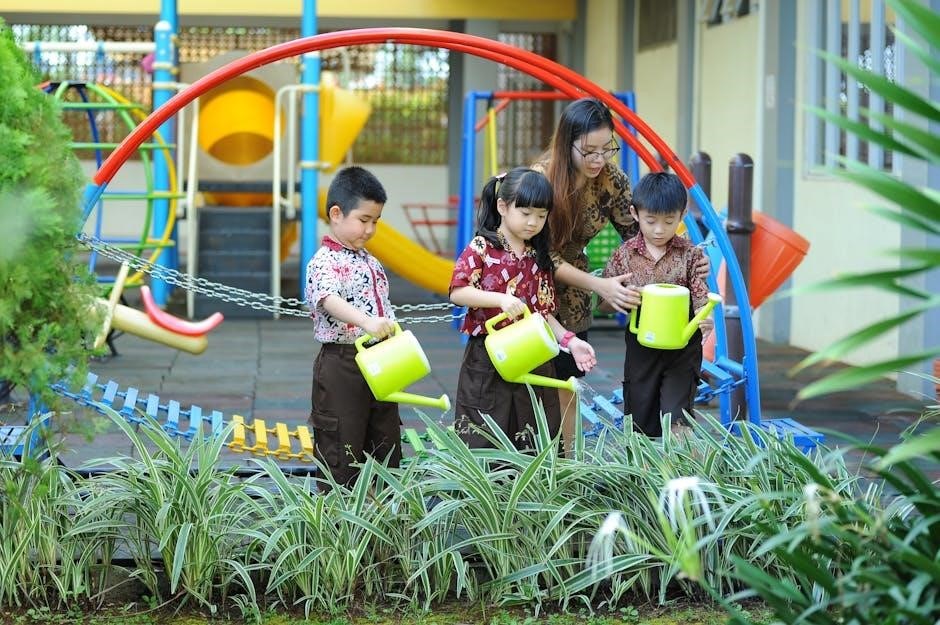
Community-Based Instruction (CBI) is a powerful educational approach utilizing real-life community settings for sustained‚ repeated instruction‚ fostering practical skill development.
CBI bridges the gap between classroom learning and the demands of everyday life‚ preparing students for successful participation in their communities.
What is Community-Based Instruction?
Community-Based Instruction (CBI) represents a dynamic shift in educational practices‚ moving learning beyond traditional classroom walls and directly into authentic community environments. It’s sustained and repeated instruction occurring in natural settings – grocery stores‚ banks‚ workplaces – offering invaluable real-world experiences.
Essentially‚ CBI is about teaching functional skills within the context where those skills will actually be used. This approach isn’t simply field trips; it’s a deliberate‚ structured instructional strategy. It aims to promote generalization of skills‚ ensuring students can apply what they learn to diverse‚ everyday situations‚ fostering independence and community integration.
The Core Principles of CBI
Community-Based Instruction (CBI) is grounded in several key principles. Functional relevance is paramount – skills taught directly relate to students’ present and future needs within their communities. Ecological validity ensures learning occurs in natural contexts‚ promoting skill generalization.
Student participation is actively encouraged‚ fostering ownership of the learning process. Collaboration with community partners is vital‚ providing authentic learning opportunities. Finally‚ individualization recognizes that each student’s needs and goals are unique‚ requiring tailored instruction. These principles collectively create a powerful‚ impactful learning experience.

Benefits of Implementing CBI
Community-Based Instruction (CBI) dramatically enhances skill generalization‚ boosts student motivation and engagement‚ and cultivates essential functional life skills for real-world success.
Enhanced Skill Generalization
Enhanced skill generalization is a cornerstone benefit of Community-Based Instruction (CBI). Traditional classroom settings often struggle to facilitate the transfer of learned skills to authentic‚ real-world environments. CBI directly addresses this challenge by providing instruction within those natural contexts.
By practicing skills like budgeting at a grocery store or using public transportation‚ students are far more likely to retain and apply those skills independently. This immersive approach minimizes the gap between learning and doing‚ leading to more meaningful and lasting skill acquisition. The repetition in natural settings solidifies understanding.
Increased Student Motivation & Engagement
Community-Based Instruction (CBI) demonstrably boosts student motivation and engagement. Moving learning beyond the four walls of the classroom introduces novelty and relevance‚ capturing students’ attention in ways traditional methods often cannot. Real-world tasks‚ like grocery shopping or workplace simulations‚ feel less like “schoolwork” and more like preparation for life.
This increased relevance fosters a sense of purpose and ownership over learning. Students are more actively involved when they see the direct application of their skills‚ leading to greater enthusiasm and a more positive attitude towards education.
Development of Functional Life Skills
Community-Based Instruction (CBI) excels at cultivating functional life skills essential for independence and successful community integration. Unlike abstract classroom exercises‚ CBI focuses on practical abilities – managing finances during grocery shopping‚ utilizing public transportation‚ or mastering workplace readiness skills.
These skills encompass areas like eating and food preparation‚ grooming‚ hygiene‚ and even assisting others. By practicing these skills in authentic settings‚ students gain confidence and competence‚ directly impacting their ability to navigate daily life and achieve greater self-sufficiency.

Key Areas of Focus within CBI
Community-Based Instruction (CBI) strategically concentrates on vocational skills‚ independent living abilities‚ and essential areas like hygiene‚ health‚ safety‚ and assisting others.
Vocational Skills Training
Vocational Skills Training within Community-Based Instruction (CBI) focuses on equipping students with practical abilities directly applicable to real-world employment opportunities. This involves moving beyond traditional classroom settings and immersing learners in authentic work environments.
Students gain experience through workplace readiness activities‚ potentially including job shadowing‚ internships‚ and simulated work tasks performed within the community. The goal is to foster independence and successful transitions into competitive employment.
CBI ensures skills are not just taught‚ but actively practiced and refined in genuine contexts‚ maximizing generalization and long-term retention.
Independent Living Skills
Independent Living Skills training‚ a cornerstone of Community-Based Instruction (CBI)‚ empowers students to navigate daily life with greater autonomy and confidence. This encompasses a broad range of practical abilities essential for self-sufficiency.
Key areas include eating and food preparation‚ grooming and dressing‚ and maintaining hygiene‚ health‚ and safety. CBI facilitates learning these skills in natural settings – grocery stores‚ restaurants‚ laundromats – rather than solely within the classroom.
Through direct experience‚ students develop competence and adaptability‚ fostering a sense of self-reliance and improving their overall quality of life.
Eating and Food Preparation
Eating and Food Preparation within Community-Based Instruction (CBI) extends beyond simply knowing recipes; it’s about functional skills in real-world environments. Students learn to navigate grocery stores‚ selecting healthy options and understanding food labels.
CBI activities include creating shopping lists‚ budgeting for groceries‚ and utilizing kitchen appliances safely. They practice preparing simple meals‚ understanding portion sizes‚ and following food safety guidelines.
These experiences foster independence and promote healthy eating habits‚ equipping students with essential life skills for nutritional well-being and self-sufficiency.
Grooming and Dressing
Grooming and Dressing‚ as part of Community-Based Instruction (CBI)‚ focuses on developing self-care skills essential for social integration and personal hygiene. Students practice selecting appropriate clothing for various occasions and weather conditions.
CBI activities involve learning to operate washing machines and dryers‚ folding laundry‚ and maintaining personal cleanliness. They practice skills like brushing teeth‚ combing hair‚ and applying personal care products independently.
These experiences build confidence‚ promote self-respect‚ and equip students with the skills needed to present themselves effectively in community settings and workplaces.
Hygiene‚ Health‚ and Safety
Hygiene‚ Health‚ and Safety instruction within Community-Based Instruction (CBI) equips students with crucial skills for maintaining well-being and navigating potential risks in real-world environments.
CBI activities encompass understanding personal hygiene practices – handwashing‚ proper sanitation – and recognizing health warning signs. Students learn to access healthcare services‚ understand medication schedules‚ and respond to emergencies.
Safety training includes pedestrian safety‚ recognizing hazardous situations‚ and knowing how to seek help. These skills foster independence‚ self-advocacy‚ and responsible decision-making‚ ensuring students can confidently participate in community life.

Types of Community-Based Learning Experiences
Community Integration blends the community and classroom‚ while Service Learning combines community service with academic instruction‚ offering diverse CBI experiences.
Community Integration
Community Integration represents a core tenet of effective Community-Based Instruction (CBI)‚ actively bringing the real world into the learning environment. This approach isn’t simply field trips; it’s a sustained effort to embed learning within natural community settings.
Students participate in authentic activities – like grocery shopping‚ utilizing public transportation‚ or visiting local businesses – not as simulations‚ but as genuine experiences. This fosters a sense of belonging and allows for immediate application of learned skills.
The goal is to seamlessly blend classroom instruction with community participation‚ creating a holistic and relevant learning journey for each student.
Service Learning
Service Learning‚ a vital component of Community-Based Instruction (CBI)‚ extends learning beyond personal benefit to address genuine community needs. It combines meaningful service with academic instruction‚ fostering civic responsibility and practical skill development.
Students actively engage in projects that directly impact their community – volunteering at a local food bank‚ assisting at an animal shelter‚ or participating in environmental cleanup efforts. This hands-on experience reinforces learned concepts and cultivates empathy.
Service learning provides authentic opportunities for skill generalization and promotes a sense of purpose‚ making learning more engaging and impactful.

Practical Examples of CBI Activities
CBI activities encompass real-world tasks like grocery shopping‚ utilizing public transportation‚ and developing workplace readiness skills‚ fostering independence and functional abilities.
Grocery Shopping and Budgeting
Grocery shopping and budgeting represent a cornerstone of Community-Based Instruction (CBI)‚ offering invaluable opportunities for skill development. Students learn to navigate grocery stores‚ identify desired items‚ compare prices‚ and utilize shopping lists effectively.
Furthermore‚ CBI extends to practical budgeting exercises‚ where students calculate costs‚ manage money‚ and make informed purchasing decisions within allocated financial limits. This hands-on experience fosters financial literacy and promotes independent living skills.
These activities directly translate to real-life scenarios‚ empowering students to confidently handle everyday financial responsibilities.
Using Public Transportation
Utilizing public transportation is a vital component of Community-Based Instruction (CBI)‚ fostering independence and community integration. Students learn to interpret schedules‚ identify routes‚ purchase tickets‚ and navigate bus or train systems safely and efficiently.
CBI extends beyond simply riding the bus; it encompasses understanding transportation etiquette‚ problem-solving unexpected delays‚ and requesting assistance when needed. This practical experience builds confidence and expands access to community resources.
Mastering public transportation empowers students to participate more fully in their communities and pursue employment opportunities.
Workplace Readiness Skills
Community-Based Instruction (CBI) significantly enhances workplace readiness skills through authentic experiences. Students participate in job shadowing‚ volunteer work‚ or simulated work environments within the community‚ applying learned concepts in real-world contexts.
CBI focuses on developing essential skills like punctuality‚ appropriate communication‚ following directions‚ and maintaining a professional demeanor; It also includes understanding workplace safety protocols and interacting effectively with colleagues and supervisors;
These practical experiences build confidence and prepare students for successful employment and independent living.

Developing Effective CBI Programs
Effective CBI programs require thorough assessment‚ individualized IEPs‚ and strong collaboration with community partners to define clear‚ functional instructional objectives.
Assessment and Individualized Education Programs (IEPs)
Comprehensive assessment is foundational for effective CBI. It goes beyond traditional methods‚ evaluating skills within authentic community contexts. This informs the development of Individualized Education Programs (IEPs) with clearly defined instructional objectives.
IEPs must prioritize functional life skills and vocational training‚ tailored to each student’s needs and aspirations. Assessments should identify strengths and areas for growth in real-world scenarios‚ like grocery shopping or using public transportation.
Regular progress monitoring within the community ensures IEP goals are being met and adjustments can be made‚ maximizing student success and independence.
Collaboration with Community Partners
Successful CBI hinges on strong collaboration with community partners. These relationships provide access to authentic learning environments – workplaces‚ grocery stores‚ public transportation – crucial for skill generalization.
Partnerships can involve local businesses offering job shadowing or internships‚ community organizations providing volunteer opportunities‚ and residents acting as mentors. These connections enrich the learning experience and foster a sense of belonging.
Regular communication and shared planning between educators and partners ensure CBI activities align with community needs and provide meaningful‚ relevant experiences for students‚ promoting independence.
Defining Instructional Objectives
Clearly defined instructional objectives are paramount for effective CBI programs. These objectives should be individualized‚ based on student IEPs‚ and directly linked to functional life skills.
Objectives must specify what skills students will learn‚ where they will practice them (the community setting)‚ and how progress will be measured. Examples include successfully ordering food at a restaurant or independently using public transportation.
Breaking down complex tasks into smaller‚ achievable steps ensures student success and facilitates data collection. Well-defined objectives guide instruction and demonstrate meaningful progress.
Challenges and Considerations in CBI Implementation
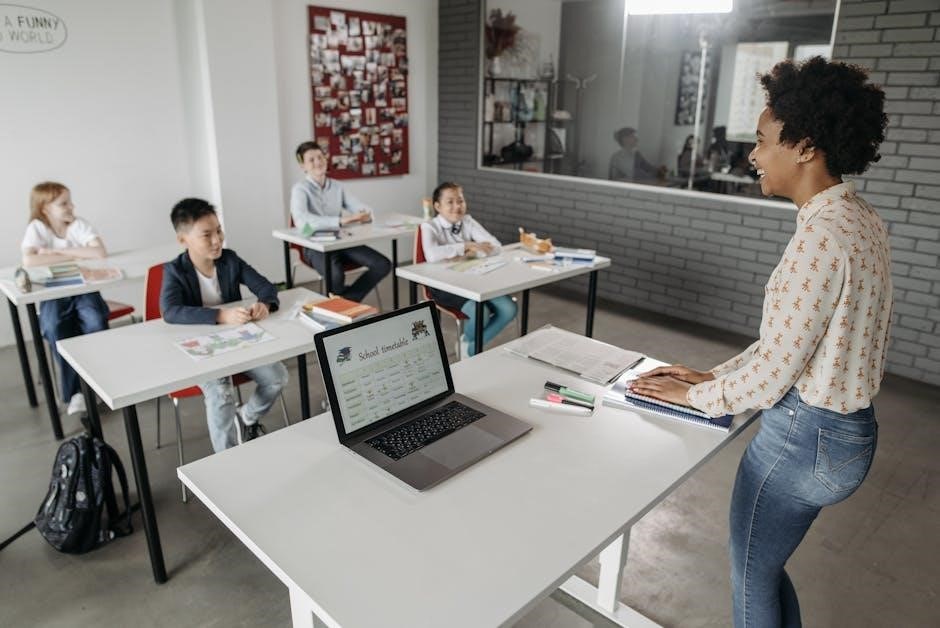
CBI implementation presents hurdles like transportation logistics‚ safety concerns in unfamiliar environments‚ and ensuring accessibility for all students within community settings.
Transportation Logistics
Transportation often emerges as a significant challenge in CBI programs‚ demanding careful planning and resourcefulness. Accessing community sites requires reliable and safe transport options for students‚ which can be complex‚ especially for those with mobility limitations.
Schools must consider bus routes‚ public transportation schedules‚ volunteer drivers‚ and potential costs associated with each method. Coordinating transportation for multiple students to various locations simultaneously adds another layer of complexity. Furthermore‚ ensuring student safety during transit and at community sites is paramount‚ necessitating clear protocols and supervision strategies.
Safety Concerns
Safety is a crucial consideration when implementing Community-Based Instruction (CBI). Moving instruction outside the controlled school environment introduces potential risks that require proactive mitigation strategies. Thorough site visits are essential to identify and address hazards before student visits.
Staff must receive training on emergency procedures‚ student supervision in public settings‚ and recognizing/responding to potential threats. Clear communication protocols‚ including emergency contact information‚ are vital. Additionally‚ student awareness of personal safety and appropriate social interactions within the community is paramount‚ fostering responsible and secure participation.
Ensuring Accessibility
Accessibility is paramount in successful Community-Based Instruction (CBI). Programs must be designed to accommodate diverse student needs‚ including physical‚ sensory‚ and cognitive differences. This involves selecting community sites that are physically accessible – ramps‚ elevators‚ accessible restrooms – and offering appropriate supports.
Modifications to tasks and materials may be necessary to ensure all students can participate meaningfully. Consideration should be given to transportation accessibility and potential sensory sensitivities within community environments. Proactive planning and collaboration with community partners are key to creating inclusive CBI experiences.
Resources for CBI Implementation
Numerous online resources and websites support CBI‚ alongside valuable professional development opportunities for educators seeking to enhance their skills and program effectiveness.
Online Resources and Websites
A wealth of digital resources are available to support the implementation of Community-Based Instruction (CBI). Educators can find valuable information‚ lesson plans‚ and practical guides on websites dedicated to special education and inclusive practices.
Several organizations offer downloadable materials and webinars focused on CBI strategies. Searching for “CBI resources” or “community-based learning” will yield numerous results.
Furthermore‚ online communities and forums allow educators to connect‚ share experiences‚ and collaborate on CBI program development. These platforms provide a space for ongoing learning and support‚ ensuring effective implementation and positive student outcomes.
Professional Development Opportunities
Effective CBI implementation requires ongoing professional development for educators. Workshops and training sessions focused on CBI principles‚ strategies‚ and best practices are crucial for success.
These opportunities should cover topics like assessment‚ individualized program planning‚ community partner collaboration‚ and safety protocols. Many universities and educational organizations offer specialized courses and certifications in CBI.
Additionally‚ attending conferences and webinars dedicated to special education and inclusive practices can provide valuable insights and networking opportunities. Investing in professional development ensures educators are well-equipped to deliver high-quality CBI experiences.

The Future of Community-Based Instruction
The future of CBI is poised for expansion‚ driven by a growing emphasis on inclusive education and functional skill development. Technological advancements will likely play a larger role‚ with virtual reality simulations offering safe practice environments.
Increased collaboration between schools‚ businesses‚ and community organizations will create more authentic learning experiences. Personalized learning approaches‚ leveraging data and individual student needs‚ will refine CBI programs.
Furthermore‚ a focus on self-determination and student voice will empower learners to actively shape their CBI experiences‚ fostering independence and lifelong learning skills.