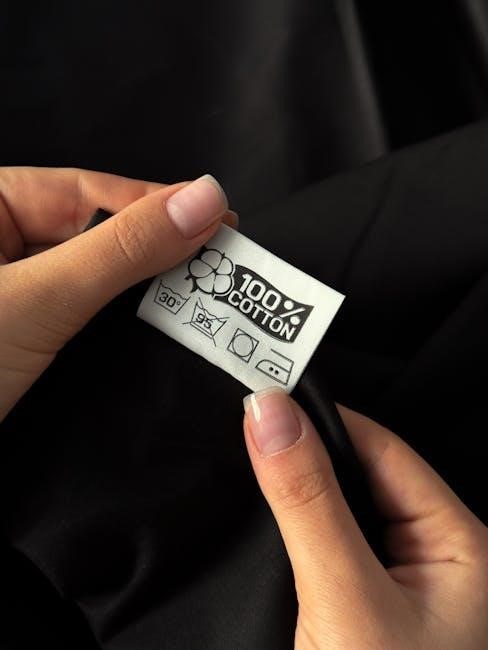
100 cotton washing instructions
Cotton’s versatility is renowned, yet proper washing is crucial for maintaining its quality and extending garment life; a recent study highlights gentler washes’ impact.
Why Proper Washing Matters for Cotton
Proper washing significantly impacts 100% cotton’s longevity and appearance, preventing premature wear and tear. Ignoring care instructions can lead to undesirable outcomes like excessive shrinkage, color fading, and fiber damage. A seven-year research program demonstrated that gentler washing conditions can extend the life of clothes – including jeans and T-shirts – by over 50%!
Choosing the right water temperature and detergent, alongside appropriate machine settings, safeguards cotton fibers. Maintaining a garment’s structure and vibrancy relies on careful washing practices. Ultimately, mindful laundering preserves the investment in your cotton clothing and reduces textile waste, aligning with sustainability efforts.
The Impact of Washing on Cotton Longevity
Washing, while essential for hygiene, inherently stresses cotton fibers, gradually diminishing their strength and shape. Frequent, harsh washing accelerates this process, leading to noticeable wear and tear over time. However, a recent study reveals a powerful countermeasure: gentler wash conditions. Researchers found clothes, like jeans and T-shirts, can last significantly longer – more than 50% – with cooler, shorter washes.
The stakes are high when choosing a washing method, as maintaining vibrancy and structure requires careful consideration. Reducing wash frequency and opting for cooler temperatures are key strategies for extending the lifespan of your cotton garments and minimizing environmental impact.
Understanding Cotton Fabric Types
Cotton fabrics vary in weave and construction, impacting washability; tightly woven cottons generally withstand hotter temperatures, while blends require more delicate care.
Different Weaves and Their Washability
Understanding how cotton is woven significantly impacts washing instructions. Tightly woven fabrics, like percale or twill, are more durable and can generally tolerate warmer water temperatures and more vigorous washing machine cycles; These weaves hold their shape better and are less prone to shrinking or distortion.
Conversely, looser weaves, such as voile or jersey, are more delicate. They require gentler handling, typically involving cold water and a delicate cycle to prevent damage. Knitted cottons, like jersey, are particularly susceptible to stretching and losing their form if washed improperly.
The density of the weave directly correlates to its washability; denser weaves offer greater resilience. Always check the garment’s care label, as weave type influences the recommended washing method.
Identifying Cotton Blend vs. 100% Cotton
Distinguishing between 100% cotton and cotton blends is vital for proper care. Pure cotton generally softens with each wash and can handle higher temperatures, though caution is still advised. Blends, incorporating synthetics like polyester, offer increased wrinkle resistance and durability, but require different treatment.
Check the care label – it’s the most reliable source. A blend label will explicitly state the fiber composition (e.g., 60% cotton, 40% polyester). Blends often shrink less than 100% cotton, but may be more susceptible to pilling.
Washing blends at high temperatures can damage synthetic fibers. Always prioritize the most delicate fiber present in the blend when selecting wash settings.
Decoding Care Labels
Care labels provide essential washing instructions; understanding symbols is key to preserving cotton’s integrity, ensuring longevity, and preventing damage during laundering.
Symbols and What They Mean
Decoding care label symbols is vital for proper cotton garment care. A wash tub symbol indicates washability, with temperature settings inside – cold, warm, or hot. Lines underneath signify gentleness needed; more lines mean extra care. A triangle denotes bleaching, with plain triangles allowing bleach, and crossed-out ones prohibiting it. A square indicates drying; a circle inside signifies tumble drying, with dots indicating heat levels. A crossed-out square means do not tumble dry. An iron symbol shows ironing suitability, with dots representing temperature settings. A crossed-out iron means do not iron. Finally, a circle within a square indicates professional dry cleaning, with letters denoting specific solvents. Always prioritize following these symbols to maintain your cotton items’ quality and prevent damage, ensuring they last longer and retain their vibrant colors.
Manufacturer Recommendations
Always prioritize the garment’s care label as the ultimate guide; manufacturers provide specific instructions tailored to the fabric and construction. While many cotton items tolerate hot water, tightly woven whites are more suitable than delicate or dyed fabrics. A seven-year research program confirms gentler conditions extend garment life significantly. Ignoring these recommendations can lead to shrinkage, fading, or damage. Consider reducing wash frequency and opting for cooler, shorter cycles, as suggested by recent studies. Following manufacturer guidelines ensures your cotton clothes maintain their structure, vibrancy, and longevity, preventing premature wear and tear and reducing textile waste.
Water Temperature Guidelines
Washing machines offer varied temperature settings – cold, lukewarm, warm, and hot – each impacting cotton differently; selecting the right one is vital for care.
Hot Water Washing: When It’s Safe
While most cotton items can tolerate hot water, verifying the garment’s care label is paramount before proceeding. White cottons and those with a tightly woven construction generally exhibit the highest resilience to hot water washing, benefiting from its enhanced cleaning power.
However, caution is advised. Hot water can potentially exacerbate shrinkage and color fading, particularly in vibrant or delicate cotton pieces. It’s best reserved for items needing deep cleaning or sanitation, like towels or bedding, where color retention isn’t a primary concern.
Always assess the fabric’s condition and colorfastness before opting for a hot water cycle, prioritizing gentler alternatives when in doubt to preserve the garment’s integrity and appearance.
Lukewarm Water: A Versatile Option
Lukewarm water presents a balanced approach to washing 100% cotton, offering a compelling compromise between the cleaning efficacy of hot water and the gentleness of cold water. This temperature effectively lifts dirt and stains while minimizing the risk of significant shrinkage or color fading – a crucial benefit for colored cotton garments.
It’s an excellent choice for everyday cotton clothing, providing a safe and reliable cleaning experience. Lukewarm water also aids in detergent dissolution, ensuring optimal cleaning performance without being overly harsh on the fibers.
Consider it your go-to temperature for most cotton items, striking a harmonious balance between cleanliness and fabric preservation.

Cold Water Washing: Benefits and Best Uses
Cold water washing is increasingly recommended for 100% cotton, offering substantial benefits for both your clothes and the environment. It significantly reduces energy consumption, minimizing your carbon footprint, and is exceptionally gentle on cotton fibers, preserving their integrity and preventing fading.
This method is particularly ideal for dark-colored cotton items and newer garments, helping to lock in dyes and maintain vibrancy. Recent research demonstrates that cooler, shorter washes can extend clothing lifespan by over 50%!
While it may not be as effective on heavily soiled items, cold water is a superb choice for lightly soiled cottons and routine washes.

Detergent Choices for 100% Cotton
Selecting the right detergent is vital; choose formulas designed for cotton fibers, and always avoid harsh chemicals that can damage or discolor your clothes.
Best Detergents for Cotton Fibers
When choosing a detergent for your 100% cotton garments, prioritize those specifically formulated to care for natural fibers. Enzyme-based detergents are excellent, as they effectively break down stains without being overly harsh on the fabric. Look for detergents labeled as “color-safe” to help preserve the vibrancy of your cotton items, especially those with darker hues.
Powder detergents can be effective, but ensure they dissolve completely to prevent residue. Liquid detergents are often preferred for their ease of use and thorough rinsing. Consider eco-friendly options, as they typically contain fewer harsh chemicals and are gentler on both your clothes and the environment. Avoiding detergents with bleach or brighteners is crucial, particularly for colored cotton, to prevent fading and maintain fabric integrity. Ultimately, a gentle, fiber-focused detergent will contribute significantly to the longevity of your cotton wardrobe.
Avoiding Harsh Chemicals
Protecting your 100% cotton fabrics means steering clear of harsh chemicals commonly found in laundry products. Bleach, even diluted, can weaken cotton fibers, leading to premature wear and tear, and causing irreversible discoloration. Similarly, fabric softeners, while seemingly beneficial, coat the fibers, reducing their absorbency and breathability – key qualities of cotton.
Brighteners, often present in detergents, can cause fading over time, diminishing the vibrancy of your clothes. Opt for detergents specifically designed for delicate fabrics or those labeled “free and clear,” which exclude these potentially damaging ingredients; Consider natural alternatives like vinegar as a fabric softener, and embrace the power of sunlight for natural bleaching and deodorizing. Prioritizing gentle cleaning methods preserves the integrity and lifespan of your cotton garments.
Washing Machine Settings
Selecting the right cycle is key: gentle is best for most cottons, while normal works for durable items; consider spin speed to minimize wrinkles;
Gentle Cycle vs. Normal Cycle
Choosing between a gentle and normal cycle significantly impacts your 100% cotton garments. The gentle cycle utilizes slower agitation and a shorter spin, minimizing stress on the fibers – ideal for delicate items or those prone to shrinking. This approach preserves the fabric’s integrity and color vibrancy over time.
Conversely, the normal cycle employs more vigorous agitation and a faster spin, suitable for durable cottons like towels or heavily woven fabrics. While effective for deep cleaning, it can contribute to wear and tear with repeated use. A seven-year research program demonstrated that gentler washing extends clothing life by over 50%. Therefore, prioritize the gentle cycle unless dealing with robust cotton items needing intense cleaning.
Spin Speed Considerations
Spin speed during washing profoundly affects 100% cotton fabrics. Higher spin speeds extract more water, shortening drying time, but also increase wrinkling and stress on fibers. Lower spin speeds are gentler, preserving garment shape and reducing wrinkles, though clothes will require longer to dry.
For most cotton items, a medium spin speed strikes a balance between efficiency and fabric care. Delicate cottons, like lightweight shirts, benefit from a low spin or even a no-spin option. Heavier cottons, such as denim, can tolerate higher speeds. Remember, excessive spinning can contribute to shrinkage and fiber damage, diminishing the lifespan of your clothes, as highlighted by recent longevity studies.

Drying Methods for 100% Cotton
Air drying is the gentlest option, while tumble drying requires careful temperature control to prevent shrinkage; research suggests gentler methods extend clothing life.
Air Drying: The Gentlest Approach
For 100% cotton, air drying stands as the most gentle method, preserving fabric integrity and minimizing shrinkage. This technique avoids the heat exposure inherent in machine drying, which can stress cotton fibers. Simply reshape the garment after washing and lay it flat on a clean, dry surface, or hang it on a clothesline or drying rack.
Ensure adequate ventilation to facilitate efficient drying. While it requires more time than tumble drying, air drying is exceptionally beneficial for delicate cotton items or those prone to shrinking. It’s also an environmentally friendly option, reducing energy consumption. Consider turning garments inside out during air drying to protect colors from prolonged sun exposure, further extending their vibrancy and lifespan.
Tumble Drying: Safe Temperatures and Settings
If choosing to tumble dry 100% cotton, selecting the appropriate temperature and settings is vital to prevent shrinkage and damage. Opt for a low heat setting whenever possible, as high heat can significantly stress the fibers. A cooler temperature allows for gentler drying, minimizing the risk of shrinking and preserving the garment’s shape.
Consider using a delicate or permanent press cycle, which employs lower heat and gentler tumbling action. Removing the item promptly after drying, while still slightly damp, can also help prevent over-drying and subsequent shrinkage; Always check the care label for specific drying instructions, as some cotton items may be best air-dried to maintain their quality.
Avoiding Shrinkage During Drying
Shrinkage is a common concern with 100% cotton, but several steps can minimize this issue during drying. Prioritize air drying whenever feasible, as it’s the gentlest method and eliminates the risk of heat-induced shrinkage. If using a dryer, consistently employ low heat settings; high temperatures aggressively contract cotton fibers.
Removing garments while slightly damp and laying them flat or hanging them to finish drying can also help. Avoid over-drying at all costs. Furthermore, consider stretching and reshaping the item immediately after removing it from the washer or dryer to help maintain its original dimensions. Following these precautions will significantly reduce shrinkage.
Preventing Color Fading and Shrinkage
Utilizing color catchers and washing similar hues together effectively minimizes dye transfer and fading, preserving vibrant colors and garment integrity over time.
Using Color Catchers
Color catchers are incredibly useful sheets designed to absorb loose dyes released during washing, preventing them from re-depositing onto other garments. This is particularly beneficial when washing new, brightly colored 100% cotton items for the first time, as they tend to release more dye.
These sheets work by attracting stray color molecules, effectively trapping them and keeping your clothes looking brighter for longer. They are especially helpful when combining dark and light-colored cottons in a single wash load, minimizing the risk of color bleeding.
Simply toss one or two color catcher sheets into the washing machine with your laundry; they are safe for all water temperatures and washing machine types, offering a simple solution to prevent unwanted color transfer and maintain the vibrancy of your cotton clothes.
Washing Similar Colors Together
A fundamental principle in preserving the vibrancy of 100% cotton clothing is to wash similar colors together. Separating your laundry into distinct piles – whites, lights, darks, and brights – significantly reduces the chance of dye transfer and color bleeding. This practice is especially crucial for new cotton items, known to release excess dye during initial washes.
Mixing colors can lead to dulling or discoloration, particularly with darker shades affecting lighter ones. While color catchers offer some protection, they are most effective when used in conjunction with pre-sorting.
By grouping similar hues, you ensure a more consistent and brighter wash result, extending the life and appearance of your cotton garments.
Extending the Life of Your Cotton Clothes
Reducing wash frequency and opting for cooler, shorter washes are proven methods to significantly increase the lifespan of your cotton clothing items.
Reducing Wash Frequency
Overwashing cotton garments contributes significantly to fiber breakdown and fading, ultimately shortening their lifespan. Consider if an item truly needs washing after each wear; often, airing out clothes can refresh them. Spot cleaning minor stains instead of a full wash is another effective strategy.
Researchers discovered that decreasing wash cycles extends clothing life considerably – potentially over 50% longer! This not only saves water and energy but also reduces textile waste. Embrace the practice of wearing items multiple times before washing, especially for items like jeans and t-shirts. Prioritize washing based on visible soil or odor, rather than a rigid schedule.
The Benefits of Cooler, Shorter Washes
A recent seven-year research program definitively proves that cooler, shorter washes dramatically extend the life of cotton clothing, including staples like jeans and t-shirts. Lower temperatures minimize fiber damage and color fading, preserving garment integrity. Shorter cycles reduce mechanical stress on the fabric, preventing wear and tear.
These gentler washing conditions can increase a garment’s lifespan by more than 50%! Utilizing these methods also conserves water and energy, contributing to a more sustainable lifestyle. Opting for cooler water and shorter cycles is a simple yet impactful change everyone can implement.